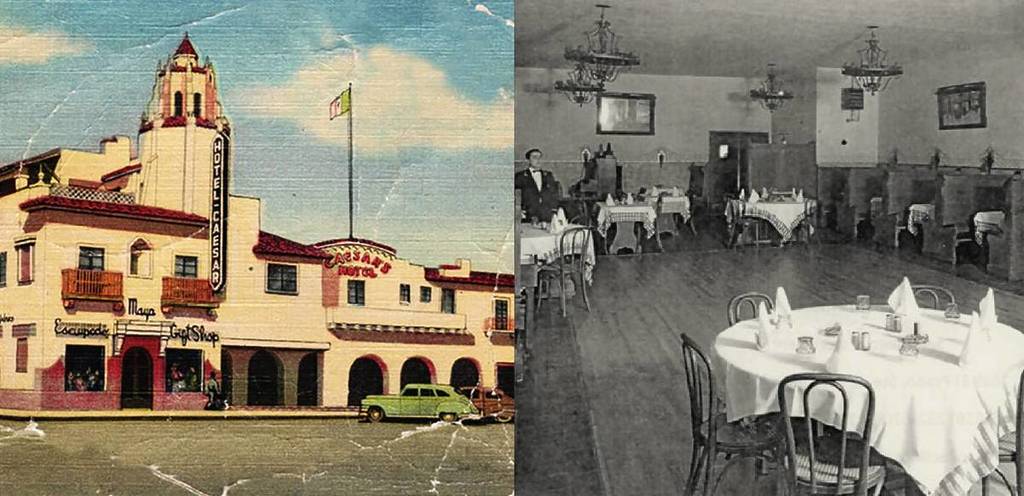
The arguably (or surely?) most famous salad in the world was invented just 1 hour away from San Diego, in a restaurant called Caesar’s Place, in Tijuana. Today, you’ll find countless variations across the country, but this restaurant still serves the original Caesar’s salad recipe, just as its creator intended. Does sticking to the classic pay off? After celebrating the salad’s 100th anniversary, it’s safe to say it does.
Story of the original Caesar’s salad
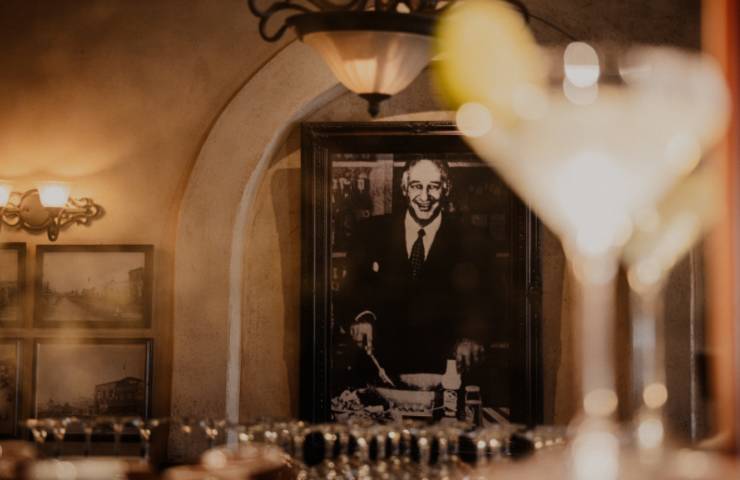
Italian immigrant Caesar Cardini is said to have invented the dish on July 4, 1924. During Prohibition, tourists flocked to Tijuana for its bullfights, nightclubs, and bars, where they could enjoy legal cocktails.
While at his restaurant, he was overwhelmed by partiers on that July 4th who were escaping the U.S. prohibition. The chef was left with few ingredients on the shelves, and many hungry people. Cardini put everything together in a bowl – olive oil, Parmesan, egg, Worcestershire sauce and lettuce – and gave it a good toss. The original Caesar’s salad was born – and the rest is history.
There is some debate about its creation. Some say the recipe was actually Livio Santini’s mother, one of Cardini’s chefs. Others say it was actually Alex’s recipe. The official website doesn’t deny nor confirm any of these theories.
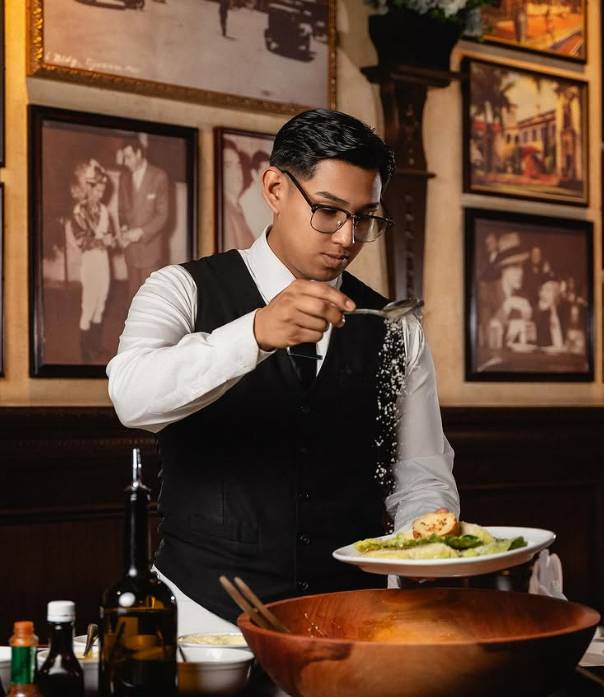
As it was an instant hit, the salad made it to many more menus. Throughout the 60s and 70s, it was often prepared tableside, adding to the whole experience. Julia Child fondly remembers her experience at Caesar’s, and has talked (and wrote) about it multiple times.
A classic, or a canvas for imagination?
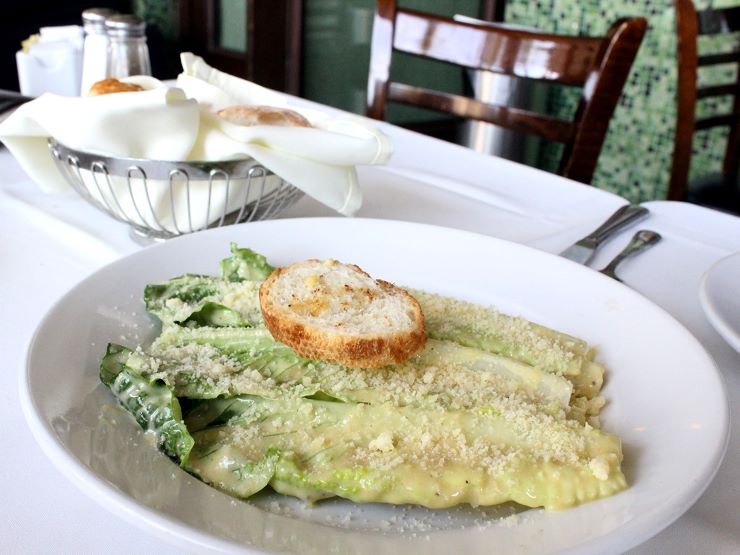
Cardini wasn’t keen on modifying his recipe. He’d use only the inner leaves of Romaine, and left them whole, as it was initially meant to be a finger food type of dish. He’d boil the eggs for one minute before serving. And no, the original recipe didn’t feature anchovies. It’s believed that his brother, Alex, added them.
The original’s beauty is also in the mix of international flavors: Italian Parmesan, Mexican lemons, and the English Worcestershire sauce.
Today, you can find this salad made in all sorts of ways: with chicken, tofu, falafel, and saucey additions. Many chefs believe that this is exactly why the salad is timeless. With respect to its roots, it can be added to, and welcomes culinary creativity and trends.
Cardini’s family life after Prohibition ended
After the U.S. Prohibition ended, Tijuana has seen quite a decline in business, and Caesar’s Place was no exception. The family moved to LA, where they later bottled the legendary dressing. Rosa Cardini took over the family company in 1956 after her father’s death. Today, nearly 43 million bottles of Caesar salad dressing are sold yearly across the U.S.