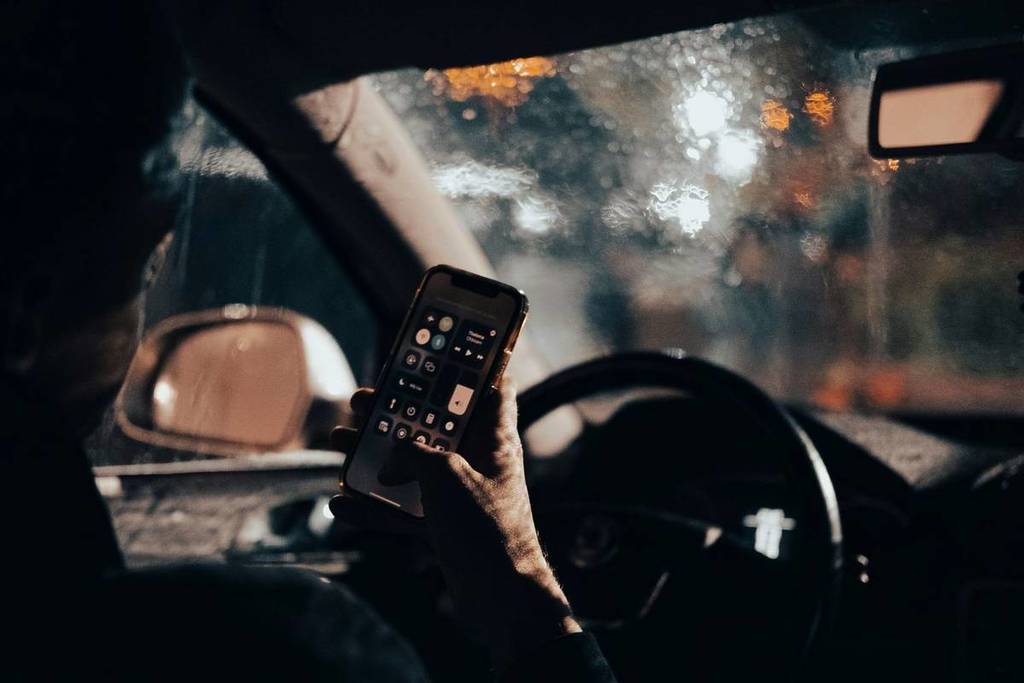
Ever been tempted to take a peek at your phone when stopped at an intersection? The answer is probably yes. But be warned: in California, even a quick glance at your screen while stopped is against the law.
What does the law actually say?
Most drivers understand that handling a mobile device while the car is in motion is prohibited. However, there’s a common misconception regarding vehicles that are stationary in traffic. The reality is that if you are behind the wheel on a public road – even if you aren’t moving at all – you are legally considered to be driving. Police frequently ticket drivers who mistakenly believe a red light offers a timeout from the rules.
California outlawed handheld cell usage back in 2008. Regulations tightened in 2017 to mandate that phones be mounted and operable with a single motion. Courts have since affirmed that simply holding a phone in your hand constitutes a crime.
According to state safety officials, distracted driving includes any activity that diverts your eyes from the road or your hands from the steering wheel. Physically holding a device spikes your chances of crashing by about 3 times! The stakes are high – data from the National Safety Council indicates that distractions behind the wheel result in roughly 9 fatalities daily across the U.S. That adds up to over 3,200 lost lives in 2023.
Are the rules the same for everyone?
Not really.
- Adults: You are restricted to hands-free operation, such as voice commands or a mounted system. If you need to touch the phone, it must be for a single swipe or tap. The device must be secured to the dashboard or windshield.
- Minors (under 18): There is a zero-tolerance policy. You cannot use a phone at all while driving, hands-free or otherwise.
It’s good to know that even hands-free technology carries risks, so authorities suggest keeping usage to a bare minimum. If you absolutely must read a text or take a call, pull into a safe parking spot first.
Fine for checking your phone at a red light

Getting caught won’t be cheap. The California Highway Patrol estimates a first-time citation will cost you around $160. If you are cited again within 3 years, that price tag jumps to approximately $275. Also, you risk adding a point to your driving record, which could lead to a spike in your insurance premiums.
Ultimately, while that red light might seem like a pause button, the law treats it the same as cruising down the highway. The smartest move to avoid a fine – and stay safe – is to leave the phone alone until you are fully parked. Keep your eyes up and drive safe!