That time of year is here again. Love it or hate it, Daylight Saving Time is coming to an end for Californians and most of the rest of the country during the first weekend of November. This year, the big day is Sunday, November 2.
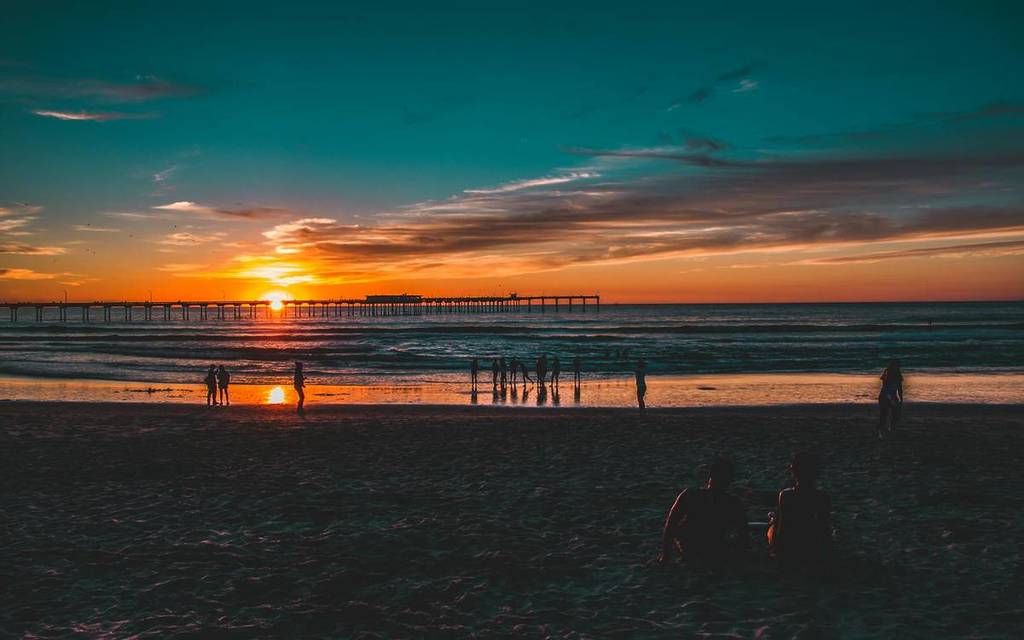
At 2 AM (or, let’s be honest, whenever you go to bed Saturday night), our clocks “fall back” one hour. The good news? You get an extra hour of sleep! The bad news? While we’ll see more daylight in the mornings, our evenings are about to get dark much earlier.
So…why do we do this?
Have you ever heard that we started changing the clocks for farmers? Or maybe that we go back to standard time so kids don’t have to wait for the bus in the dark? Well, the part about kids’ safety might have some truth, but the farmer part is a complete myth.
In reality, farmers have almost always been opposed to Daylight Saving Time. It isn’t good for their animals, who run on their own schedule. It’s also not great for their workers. Moreover, lots of sleep organizations and health experts are against the time change, too.
So, why did it start? The real reason is pretty simple, and logical at that time. The U.S. adopted the practice during energy crises in World War I, World War II, and then again in the 1970s. The idea was that shifting daylight to the evening would mean people used less electricity.
Didn’t California vote to stop this?
If you’re in California, you’re probably scratching your head and thinking, “Wait, I’m pretty sure we voted to ditch the switch!” You’re right. Sort of. Back in 2018, nearly 60% of Californians voted yes on Proposition 7. This proposition gave the state legislature the authority to set one permanent time.
However, the catch is in the proposition’s wording: congress has to pass a federal law first, which allows states to adopt permanent Daylight Saving Time. And until they do, California (along with about 18 other states that want to do the same thing) is stuck in this time-change limbo.
Who’s sitting it out?
Not everyone in the U.S. deals with this. Daylight Saving Time is not observed in:
- Hawaii
- Most of Arizona
- American Samoa
- Guam
- Northern Mariana Islands
- Puerto Rico
- The Virgin Islands
For the rest of us – get ready to set those clocks back! We’ll be doing this all over again when we “spring forward” an hour on March 8, 2026.