
Surprise, surprise – San Diegans absolutely love living in San Diego. So much so, that we came second in a recent study done by the Gensler Research Institute, which analyzed the level of satisfaction people feel about their city.
The study
The results were based on a Gensler survey of over 13,500 residents across 27 major U.S cities, conducted just last year. Of course, the term satisfaction can be broad, but it basically sums up how people feel about key issues when it comes to daily life. In this case, the research looked at:
- economic strength
- peace / stability
- vibrancy of the city
- climate preparedness
- improving quality of life
- investing in neighborhoods
- addressing homelessness
- reducing crime
When analyzing the results, we look at how many people rated the city’s performance in these areas as “good” or “excellent.” Turns out, about 76% of San Diegans are either satisfied or very satisfied with the state of our city. That result puts us all the way up on the list…juuuust not quite on top.
Highest and lowest satisfaction rates in US cities
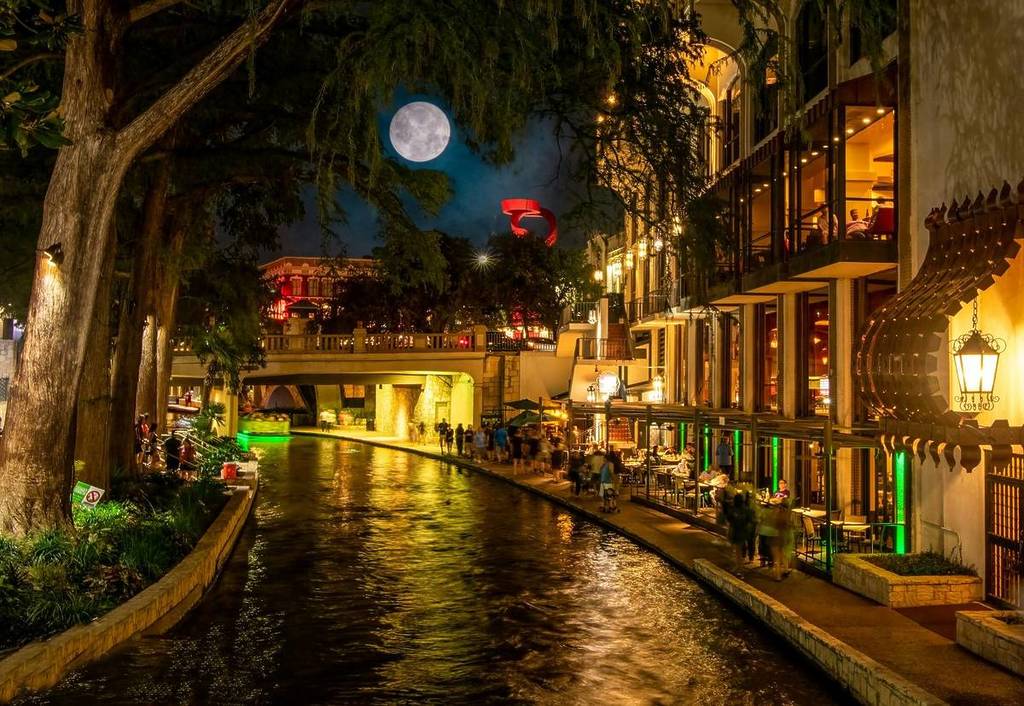
San Antonio tops the list, with over 78% of the residents feeling great about their city. Raleigh (North Carolina) came in third, followed by Minneapolis and Washington D.C.
At the bottom of the list, we find Columbus (Ohio), Miami, Portland (Oregon), Philadelphia, and – in the last spot – Baltimore.
Other key findings – what matters to people?
These findings are part of a bigger report, called ‘City Pulse 2025: The Magnetic City’. Wondering what makes a city magnetic? Here’s how the research firm puts it:
“Cities are more than just places to live — they are hubs for opportunity, engines of upward mobility, and catalysts for human connection. As urban populations continue to grow, the potential of cities to improve quality of life and foster human connection becomes ever more critical. Tracking how cities perform on key metrics helps designers, governments, and city planners to make their cities more livable, more competitive, and more magnetic.”
Consequently, it’s more likely that young people living in cities with low satisfaction rates plan to move out. Here are the 3 key findings:
- When people move, ideas and culture move with them. As they settle in new places, they bring skills and perspectives that reshape industries, communities, and creativity. This steady flow of talent fuels economic growth, sparks collaboration, and drives cultural exchange. In the end, urban transformation is shaped by one key force: its people.
- People choose cities that meet their basic needs. While specifics vary by place, life stage, or gender, most are drawn to cities that offer the essentials: safety, affordability, jobs, and good healthcare.
- Practical needs may draw people to a city, but emotions make them stay. Long-term attachment comes from how a place feels, not just what it provides. A city becomes home when it creates pride, joy, and a sense of belonging. People stay where they feel truly connected.