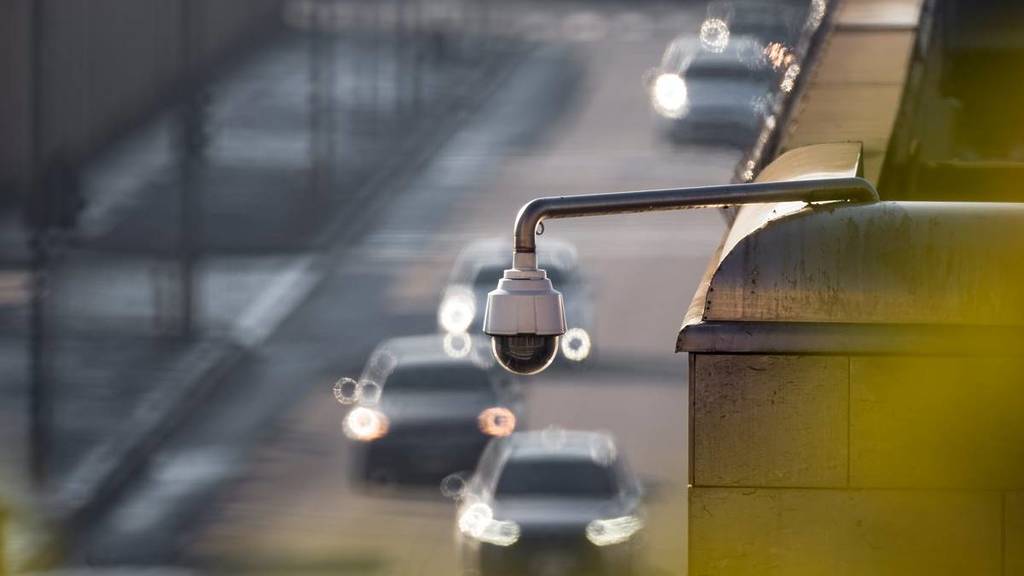
Las Tuesday, following a multiple hours meeting, it’s been decided that the the San Diego Police Department will keep monitoring the streets with an ALPR – automated license plate reader – camera system. Here’s what this means, what the system can read and share, and what it can not.
Why does the police want it?
The city’s police department was highly in favor of keeping the system, claiming that it helps understaffed departments to investigate and solve crimes. The department has been using the 500 cameras installed around the city since 2024. They say that the devices have been very helpful when it comes to solving all types of crime, big and small.
The Flock technology has been part of about 600 investigations, and it managed to recover over $6 million in stolen property. 400 arrests have been made due to the cameras as well. According to SDPD, they’ve also noticed a 20% drop in motor vehicle theft from 2023 to 2024.
So – why don’t some people want it?
A Privacy Advisory Board was created in 2023 to review the city’s surveillance technology. Last month, they recommended that the police stops using the readers unless it implements new rules. The main concerns looked at data collection, transparency, and oversight.
During the meeting, where over 100 local speakers voiced their concerns, many brought up a breach of the system which happened when it was first installed. At that point, a couple of outside agencies were able to access data and information that shouldn’t have been available to them.
Some local residents said at the meeting that surveillance does not make people feel safer, and expressed concerns about the technology being used to target activists or immigrants.
How does the ALPR system work?
According to the SDPD, the ALPR system captures images of vehicles, license plate numbers, and time and location details. It does not identify drivers or passengers. The collected data is stored for 30 days and can be accessed during that period. Some of it can been shared with federal agencies. The department notes that the information is not used for immigration enforcement.
More than 6000 agencies across the country use Flock’s license plate reader system. Some of those are in Chula Vista, El Cajon, La Mesa, National City and Oceanside. However, several other cities have recently discontinued the program amid public concerns mentioned above.