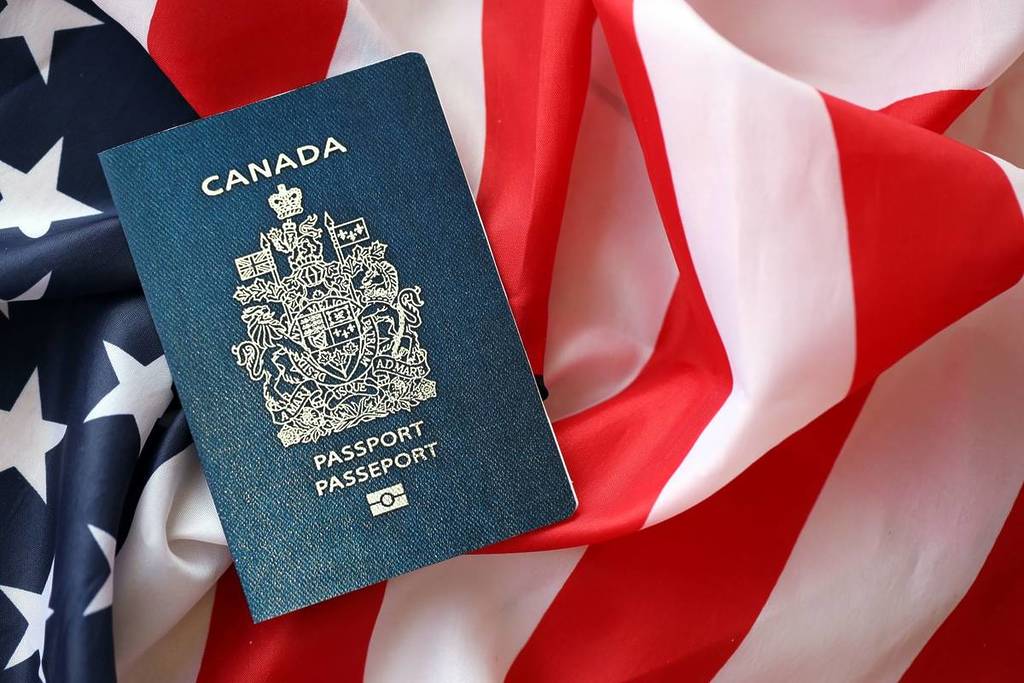

Did you know you might already be Canadian without even realizing it? While we generally prefer our sunny San Diego beaches over snowy winters, a major update to Canada’s citizenship laws means plenty of Southern Californians now have a direct pathway to snagging a second passport. Read below to see if that’s you!
What’s changed
The recently enacted legislation, known as Bill C-3, amends the Canadian Citizenship Act by wiping out a decades-old restriction called the ‘first-generation limit’. For years, this rule blocked many families from passing down their Canadian citizenship to children who were born outside of the country. However, the courts struck down this restriction as unconstitutional. Thanks to the new legislation, that barrier is officially a thing of the past.
How the new Canadian citizenship works
If you were born before December 15, 2025, this update could mean you are automatically eligible for citizenship. You need to be able to trace your family tree back to a Canadian parent, grandparent, or in some cases, even further back.
However, there is a slight catch for those born after that date. A Canadian parent who was born outside of Canada will need to prove they have a “substantial connection” to the Great White North. Usually, this means they must have lived in Canada for a minimum of 3 years (1,095 days) before their child was born.
How to claim your Canadian citizenship

If you’re looking to claim Canadian citizenship through a parent, grandparent, or great-grandparent, you’ll need to put together a comprehensive application.
Make sure you gather all the vital paperwork: birth certificates, marriage licenses, adoption records, and undeniable proof of your ancestor’s Canadian citizenship. Since Bill C-3 is retroactive, your eligibility relies heavily on historical documentation rather than a simple checklist. Every application is evaluated strictly by the letter of the law without any transitional grace periods, so having your documents organized across decades and borders is really important.
So, if you’ve got family ties up north, it might be time to start digging through the archives!