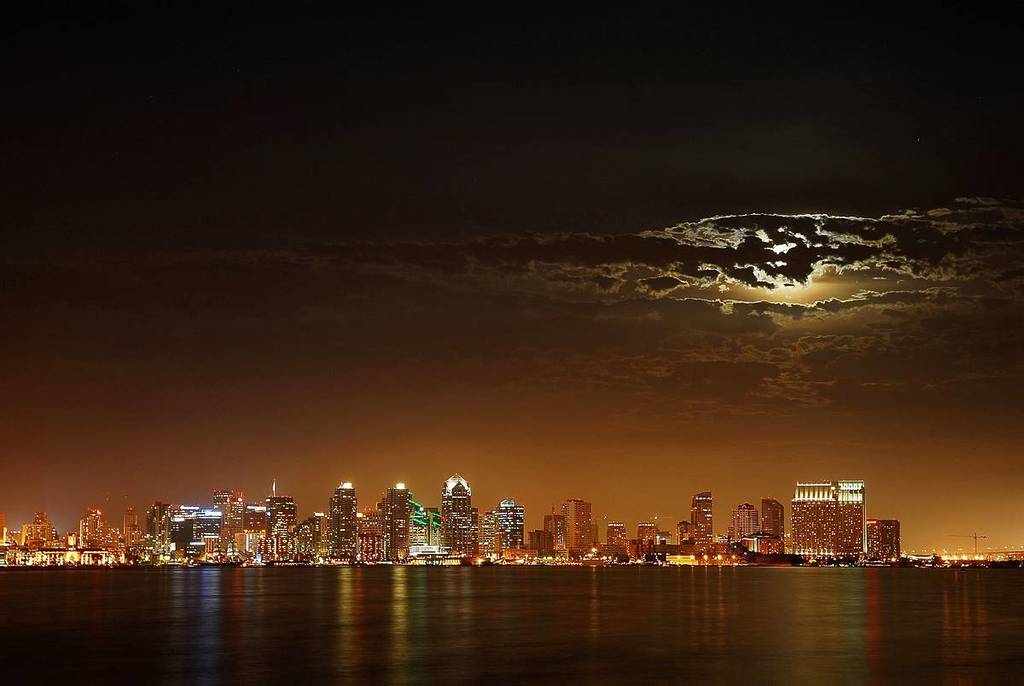
The July full moon, also known as the Buck Moon, will rise on July 10 this year. As usual, this will result in a beautiful sky event, seen worldwide. Is it just another full moon? Actually, no – this one is unique for the whole of 2025, because it comes less than one week after Earth reached the part of its orbit where it is farthest from the sun. As a result, this complete moon will mark the farthest from the sun this year, according to Space.com.
Why is it called a Buck Moon?

As usual, names for full moons come from Indigenous cultures – in this case, Buck Moon refers to the time of the year when male deer regrow their antlers. Fun fact, in case you didn’t know, they do shed annually! But, as every other full moon, is has multiple names, including: Feather Moulting Moon, Salmon Moon, Berry Moon, Raspberry Moon, Halfway Summer Moon and more.
Best time to see the full moon from San Diego
The moon will reach full illumination at 1:37 PM local time, but this moment won’t be visible everywhere for obvious reasons. The best time to look up and be amazed is just after the moon rise, which in SD will take place at 7:37 PM.
For the most breathtaking views, check it out at 8:30 PM. Why that time? That’s when a fascinating visual illusion makes the moon appear much larger near the horizon than when it’s overhead. In truth, the moon’s size remains constant – it’s our brains playing tricks on us. When the moon is low, we subconsciously compare it to nearby objects like trees or buildings, which makes it seem bigger. But high in the sky, with no reference points for scale, the moon looks noticeably smaller.
Is the full moon only visible on July 10?
No, the moon will appear full the night before and the night after – July 10 simply offers the best views.
Where and how to watch the Buck Moon?
To enjoy this celestial event, you won’t need a telescope. Simply gaze at the skies! As usual, for the best views, it helps to get out of the city. Minimal light pollution is essential for those perfect views and photo ops.