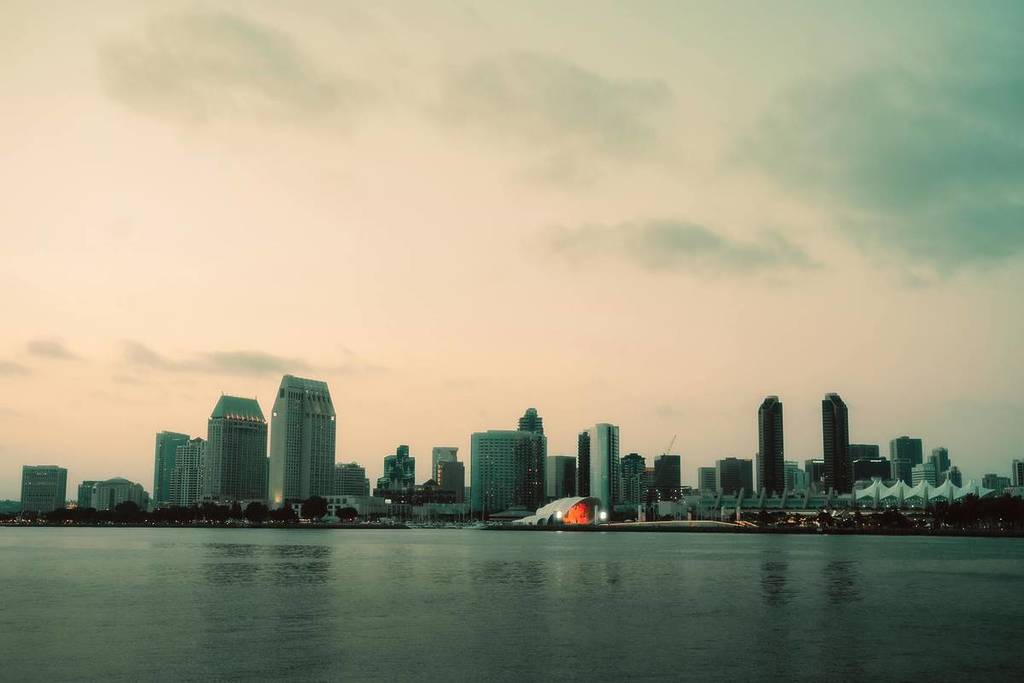

Bad news, San Diego. While we may top charts when it comes to quality of life, happiness, and other topics…it’s not all rainbows and butterflies. Recent findings have revealed a severe decline in air quality across our beloved region. According to the American Lung Association’s 2026 “State of the Air” assessment, San Diego County is now recognized as one of the most polluted metropolitan areas in the United States.
How polluted is San Diego?
The most alarming takeaway from the annual evaluation is our region’s massive jump in year-round fine particle pollution. San Diego fell to the 5th-worst spot nationwide for airborne soot levels (microscopic carbon particles produced by incomplete combustion from sources like diesel engines, power plants, and wildfires). This is a drastic shift from its 59th-place position just one year prior. Furthermore, the county held onto a troubling status as the 7th-worst region for smog.
So what happened?
This sudden spike in the rankings is largely attributed to data collection rather than an overnight collapse. Recently installed air monitoring equipment near the San Ysidro and Otay Mesa border crossings has offered a more precise evaluation of localized pollution. The Otay Mesa port alone processes approximately one million northbound commercial trucks annually. That explains it, since heavy-duty transit and shipping vessels are the primary culprits behind the county’s toxic air.
Because fine particulate matter is very small, it can be inhaled into the lungs and may eventually reach the bloodstream. Ultimately, the report emphasizes the ongoing need for continued clean-air programs and updated transportation emission policies throughout the region.
How did others score?
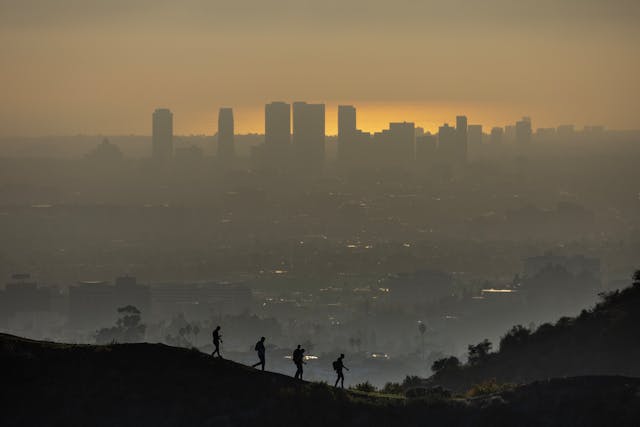
The Los Angeles-Long Beach area is still the nation’s smoggiest region – it’s been ranked the worst for ozone pollution in the past 26 years. Other California spots also made top 5 in terms of smog. Visalia placed 2nd, followed by Bakersfield-Delano.