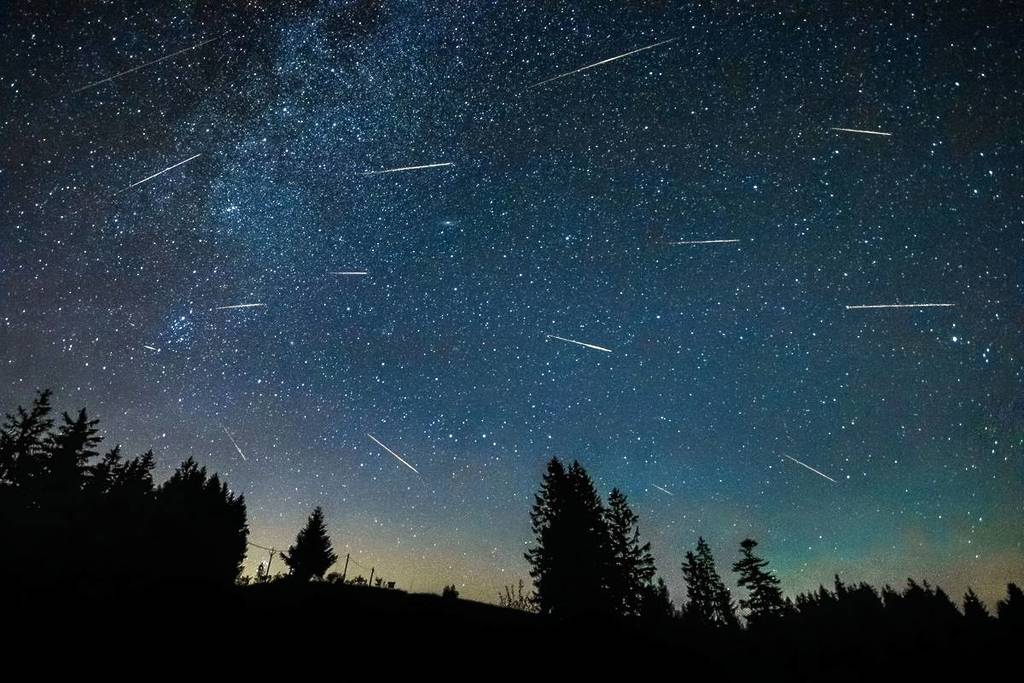

Spring has officially arrived in SoCal, and with it comes a dazzling celestial display. The annual Lyrid meteor shower is currently active, finally ending a months-long meteor drought. If you’re hoping to catch some shooting stars, here’s everything you need to know.
When is the peak of the Lyrid meteor shower?
While the Lyrids fly across our skies throughout mid-to-late April, the absolute prime viewing window for 2026 is late at night on Wednesday, April 22, leading into the early hours of Thursday. Stargazers are in luck this year: the moon will set early in the evening. By the time midnight rolls around, the moon will be completely out of the picture, leaving behind incredibly dark skies. It’s the ideal backdrop for meteor spotting!
What exactly are the Lyrids?
Holding the record as the oldest known meteor shower, the Lyrids were first documented by Chinese astronomers more than 2,700 years ago! These shooting stars are actually illuminated trails of dust and debris left in the wake of Comet Thatcher. During the peak, you can generally anticipate seeing around 15 to 20 meteors darting across the sky each hour.
How to catch the meteor shower from San Diego
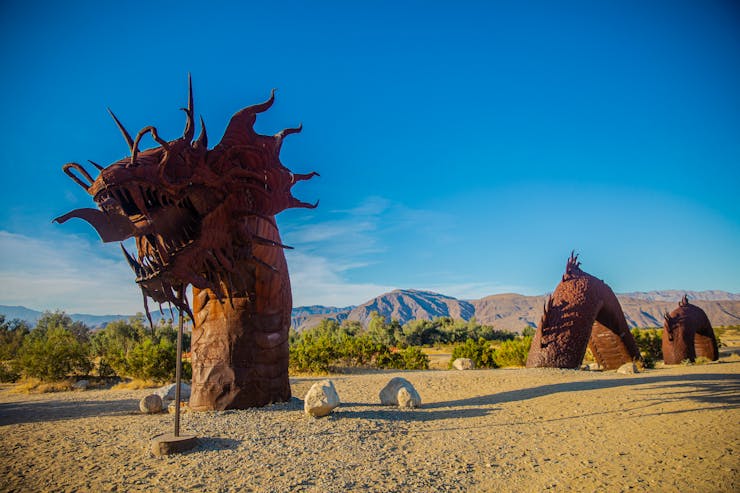
San Diego and cities around can bring a lot of light pollution (and sometimes that tricky spring fog). To get the clearest views, you’ll want to head east into the mountains or the desert. Fortunately, our county has plenty of incredible dark-sky options:
- Anza-Borrego Desert State Park: this massive desert park – along with the neighboring town of Borrego Springs, which is a designated International Dark Sky Community – offers some of the darkest, clearest skies in all of Southern California.
- The Laguna Mountains: High-elevation spots like Mount Laguna, Julian, or Palomar Mountain are fantastic options to get above the city’s light pollution.
The meteors will appear to originate from the constellation Lyra (near the Vega star), which rises in the northeast. But you don’t need to only look one way, as the meteors will shoot across the entire night sky. You can also leave all equipment like binoculars and telescopes behind. All you really need is a reclining lawn chair, some extra blankets, and your own eyes. Give your vision about 20 minutes to fully adapt to the darkness, and enjoy the show!